The Hidden Cost of Unmanaged IT Equipment in Hybrid Workplaces
March 23, 2026
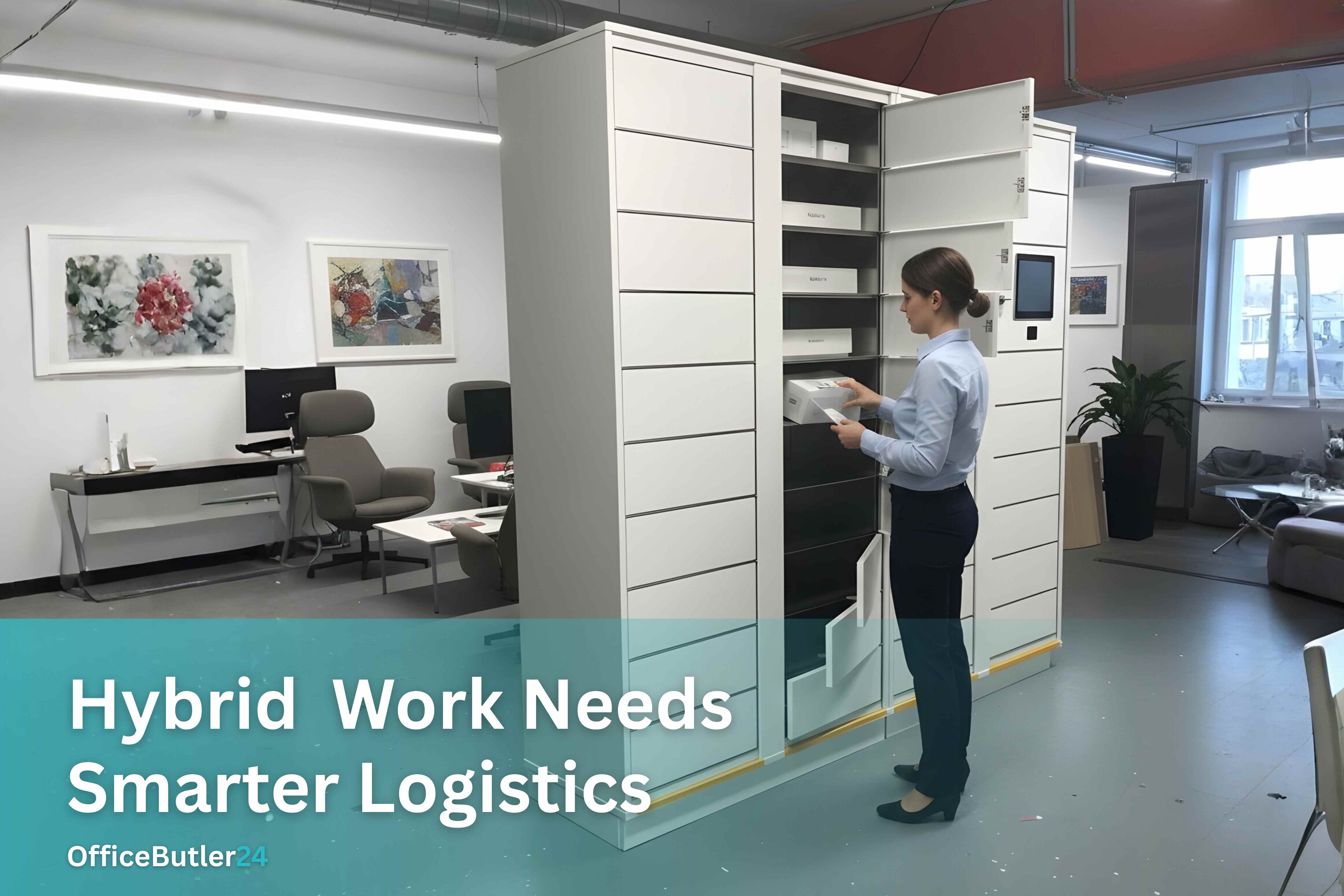
Hybrid work has shifted from a temporary solution to a long-term workplace strategy. According to research from Gartner, hybrid employees are just as productive as those working fully onsite, confirming that distributed work models are here to stay and organizations must adapt their IT infrastructure accordingly.
However, as laptops, peripherals, and mobile devices move between offices, homes, and satellite locations, many organizations are discovering a challenge that often goes unnoticed: unmanaged IT equipment.
When devices are distributed without structured control, costs appear gradually through lost productivity, rising support workloads, and unnecessary hardware spending.
Why Unmanaged IT Equipment Creates Hidden Costs
Unmanaged IT equipment rarely appears as a single visible expense. Instead, it manifests through operational inefficiencies:
- Redundant purchases: Devices are replaced unnecessarily when current assets are untracked.
- Lost productivity: IT teams spend hours manually coordinating hardware distribution.
- Compliance risk: Lack of audit trails can create issues for internal reporting and regulatory requirements.
As Forbes notes, poorly managed IT assets can quietly drain company budgets through redundant purchases, inefficient processes, and lost productivity.
In addition, research from IDC also highlights that effective IT asset management is crucial for controlling technology spending and improving operational efficiency. In hybrid work environments, these inefficiencies are amplified as devices move frequently between employees and locations.
The Operational Impact on IT Teams
Beyond hardware costs, unmanaged equipment places a growing burden on IT departments. Many support tickets relate not to technical issues but to logistics, such as:
- Where is my replacement laptop?
- Is spare equipment available today?
- Has my device returned from repair?
Without real-time visibility, IT teams rely on spreadsheets or manual coordination, leading to delays during onboarding, slow device replacements, and an expanding backlog of requests.
Instead of focusing on strategic initiatives like security or infrastructure improvements, IT professionals spend valuable time managing routine hardware exchanges.
Smart Locker Automation: How OfficeButler24 Solves IT Equipment Challenges
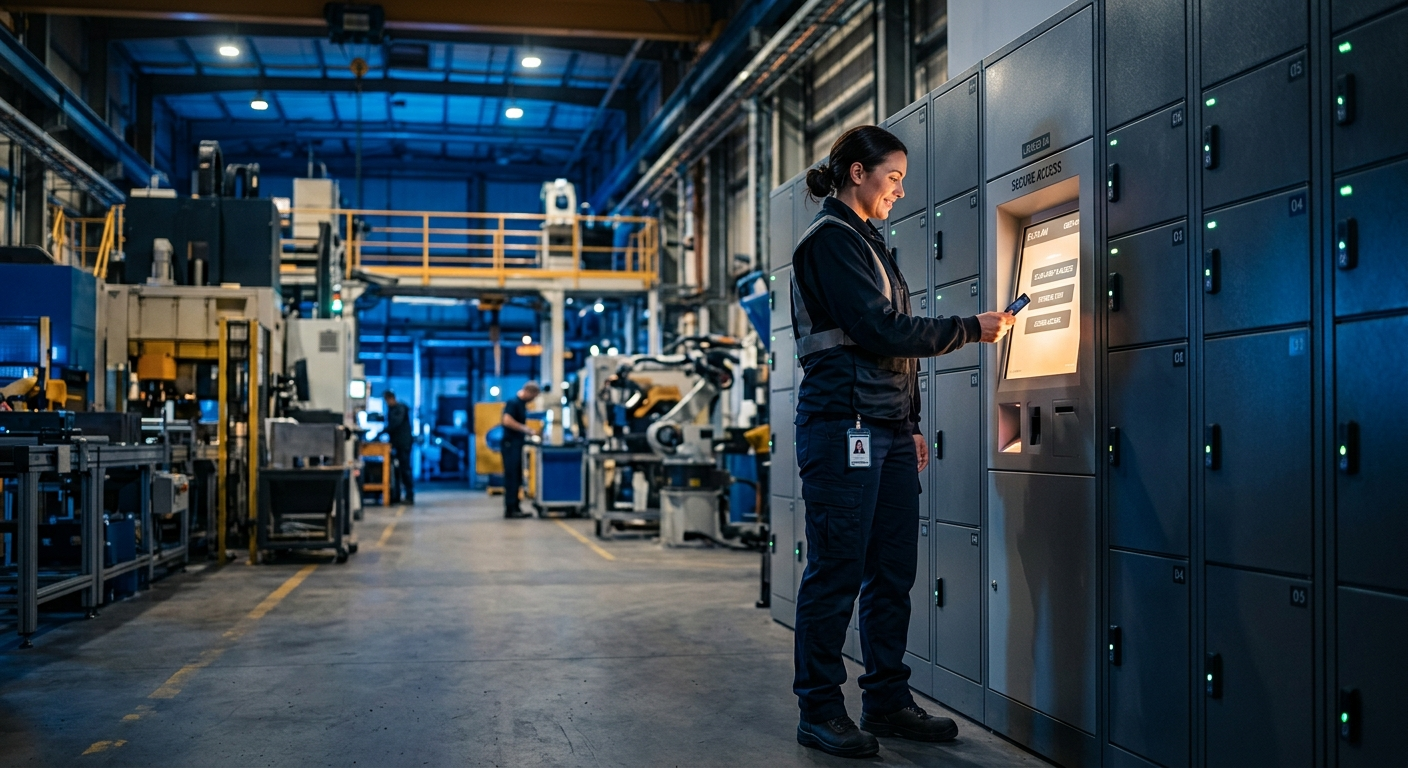
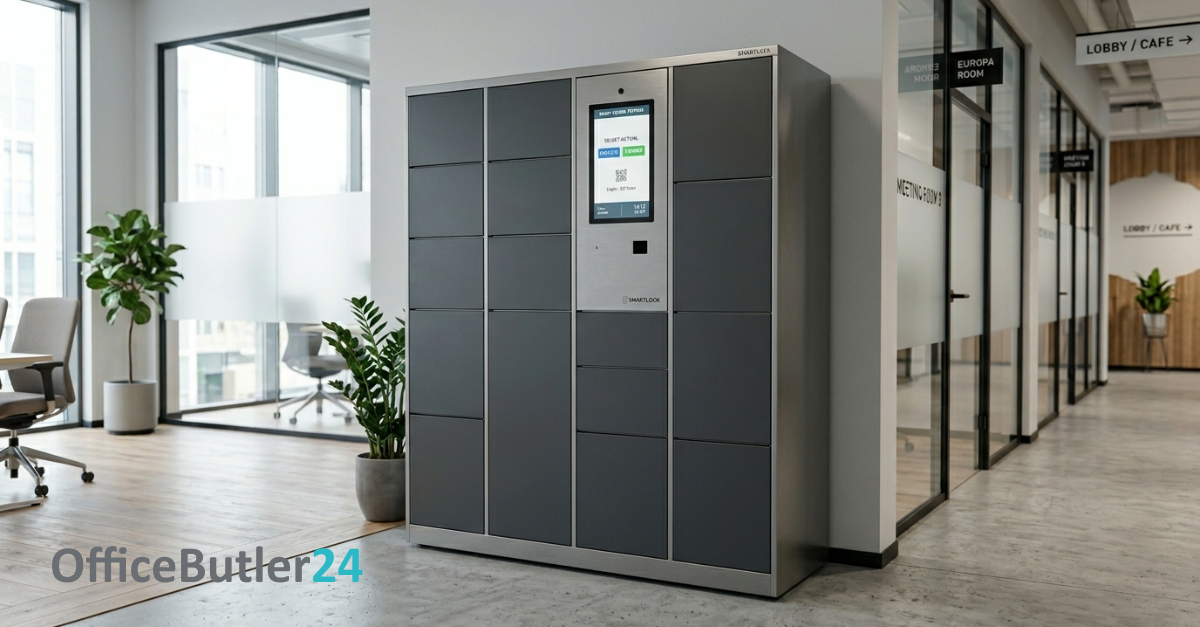
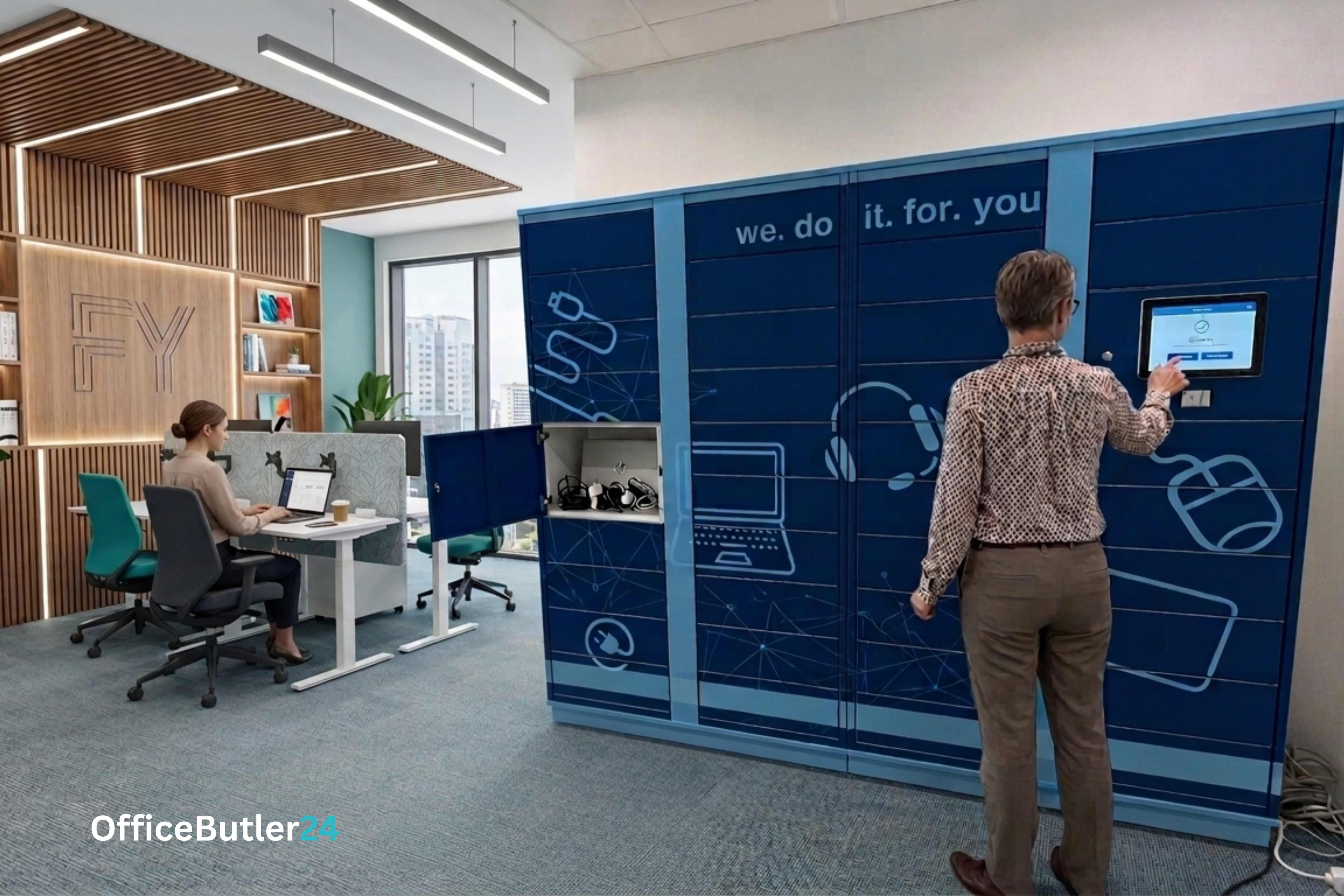
To address these challenges, organizations are introducing automated distribution systems like OfficeButler24, which provide a secure, self-service infrastructure for IT hardware management.
Employees authenticate using ID badges (RFID reader) to retrieve or return devices from designated lockers. Each transaction is recorded automatically and linked to the user.
Key benefits include:
- Real-time asset visibility across locations
- Secure, traceable equipment handovers tied to user identities
- 24/7 access to devices without requiring IT staff availability
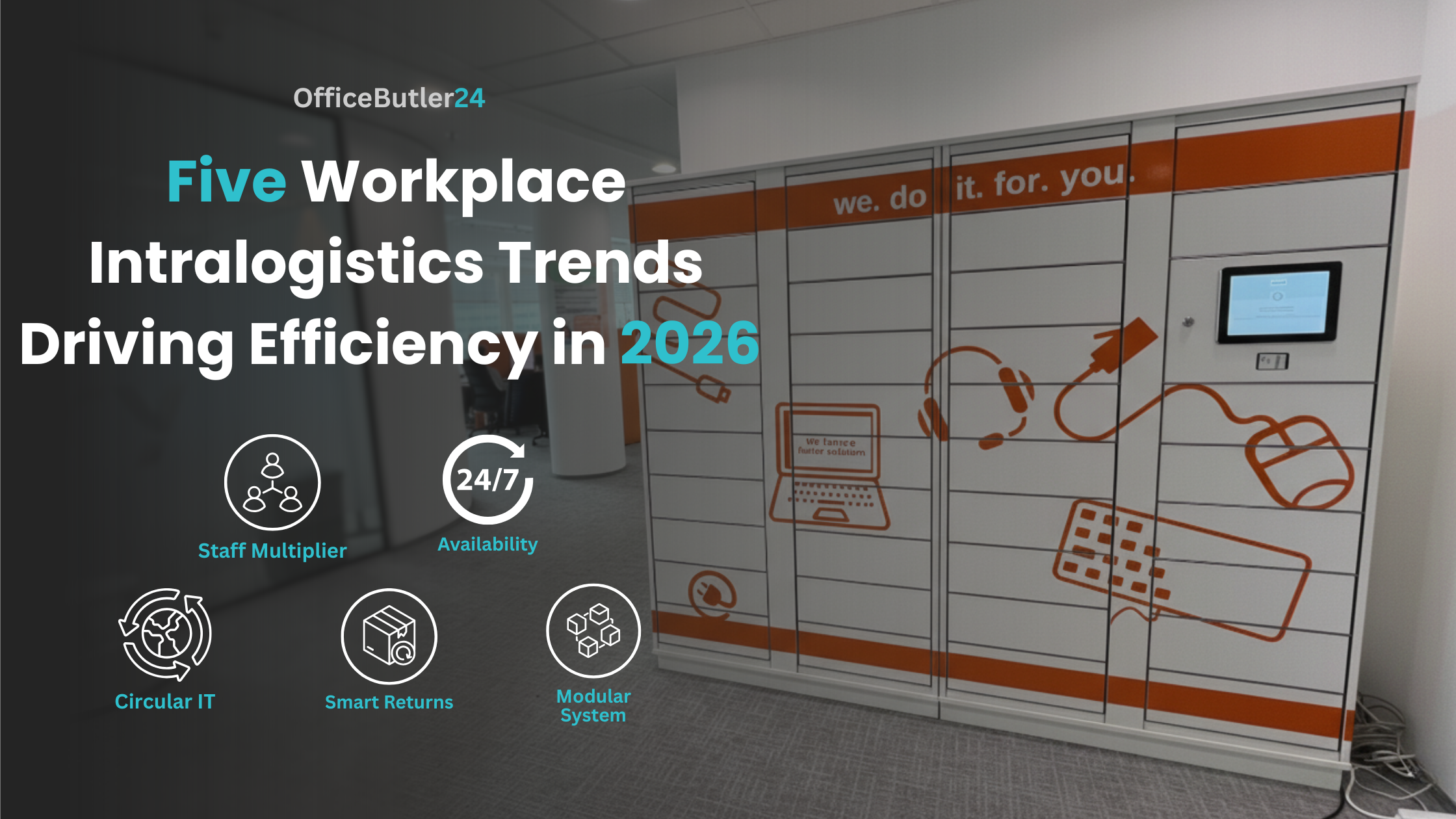
- Automated inventory tracking for laptops, peripherals, and mobile devices
By digitizing these processes, organizations move from reactive hardware management to a controlled, transparent workflow.
Integration With Enterprise Systems
Locker systems become even more effective when integrated with platforms like ServiceNow, Jira, SAP, or other ERP/ITSM tools.
Integration enables:
- Automatic asset record updates on check-out or return
- Notifications when equipment is ready for pickup
- Accurate inventory visibility across multiple locations
- Audit trails for compliance and internal reporting
Equipment distribution becomes part of the organization's broader digital workflow, reducing human error and increasing efficiency.
ROI, Time Savings, and Compliance Benefits
Automated IT equipment distribution delivers measurable results. Tracked handovers decrease device loss, reducing replacement costs. IT teams also face fewer manual support requests, lowering their workload.
Employees benefit from improved continuity, as they can access devices outside normal business hours. At the same time, compliance strengthens because each transaction includes user identification, timestamps, and detailed asset information.
A Before and After Example
Before automation, a hybrid organisation operating across multiple locations experienced days-long delays in replacing hardware, a constant stream of device-related support tickets, and limited inventory visibility that often led to unnecessary purchases.
After implementing OfficeButler24, employees gained secure self-service access to devices, inventory became transparent, and IT teams regained time for strategic priorities. Productivity improved, costs dropped, and employee satisfaction increased.
Conclusion
Hybrid work has changed how organisations manage IT assets. Unmanaged devices silently increase operational costs, waste IT resources, and slow productivity.
By implementing OfficeButler24 smart lockers, organisations gain transparency, accountability, and efficiency in IT equipment workflows. Automated self-service ensures employees have what they need, exactly when they need it.
Contact us today to schedule a consultation and see how OfficeButler24 can modernise your IT equipment management.